

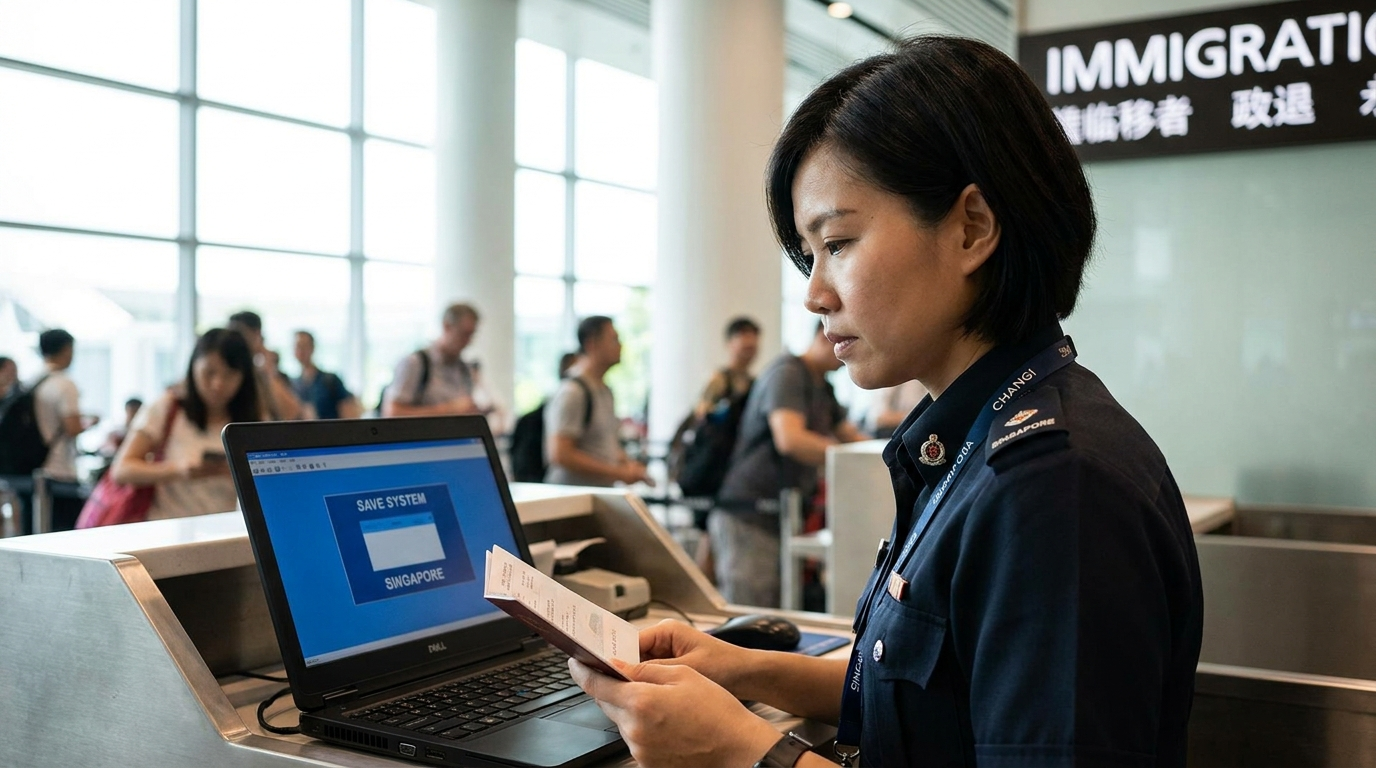
Most travellers arriving in Singapore never apply for a visa. About 160 nationalities, including the UK, Canada, the United States, Australia, Japan, the Philippines, mainland China (ordinary passports, since 9 February 2024) and most of Europe, walk through Changi with nothing more than a passport, an onward ticket, and a digital arrival card filed three days earlier. The rest, including Indian, Pakistani and Bangladeshi passport holders, need ICA clearance before they board the plane.
This guide is for the people in the second group, and for anyone in Singapore filing a Letter of Introduction so a relative or business contact can visit. It covers the visa types, the e-Visa process, the fees in SGD, country-specific rules for Indian, Filipino, Canadian and UK passport holders, the multiple-journey visa, business visits, transit, and the changes that have come into effect for 2026.
Who actually needs a visa to enter Singapore
The starting point is the ICA visa-required list. Around 34 sovereign nationalities currently need an entry visa, plus several travel-document categories that ICA counts alongside them for a headline total of about 40 countries and territories. The sovereign-state list runs: Afghanistan, Algeria, Armenia, Azerbaijan, Bangladesh, Belarus, DPRK, Egypt, Georgia, India, Iran, Iraq, Jordan, Kazakhstan, Kosovo, Kyrgyzstan, Lebanon, Libya, Mali, Moldova, Morocco, Nigeria, Pakistan, Russia, Somalia, South Sudan, Sudan, Syria, Tajikistan, Tunisia, Turkmenistan, Ukraine, Uzbekistan, and Yemen. Holders of certain travel documents also need a visa, including Hong Kong DI, Palestinian Authority documents, refugee travel documents, alien’s passports, and PRC travel documents not covered by the 9 February 2024 mutual exemption. Holders of ordinary PRC passports have been visa-exempt for up to 30 days since 9 February 2024 under the Singapore-China mutual visa-exemption arrangement. The full list lives at ica.gov.sg/enter-transit-depart/entering-singapore/visa_requirements.
Everyone else is visa-exempt for tourism and short business stays. The Singapore passport itself isn’t relevant here, but the immigration officer at Changi grants every visa-exempt visitor a Short-Term Visit Pass on arrival, usually 30 days, sometimes longer at officer discretion. UK passport holders can be granted up to 90 days at the immigration officer’s discretion, though 30 days is also commonly given.
The ICA also splits visa-required nationalities into Assessment Level I and Assessment Level II. Level I applies to most of the list and lets applicants file online through a local contact or authorised agent via the SAVE system. Level II is a shorter list of higher-scrutiny nationalities that has to be submitted through a Singapore embassy or consulate, and takes around three working days for ICA to decide.
The Singapore e-Visa and how it works
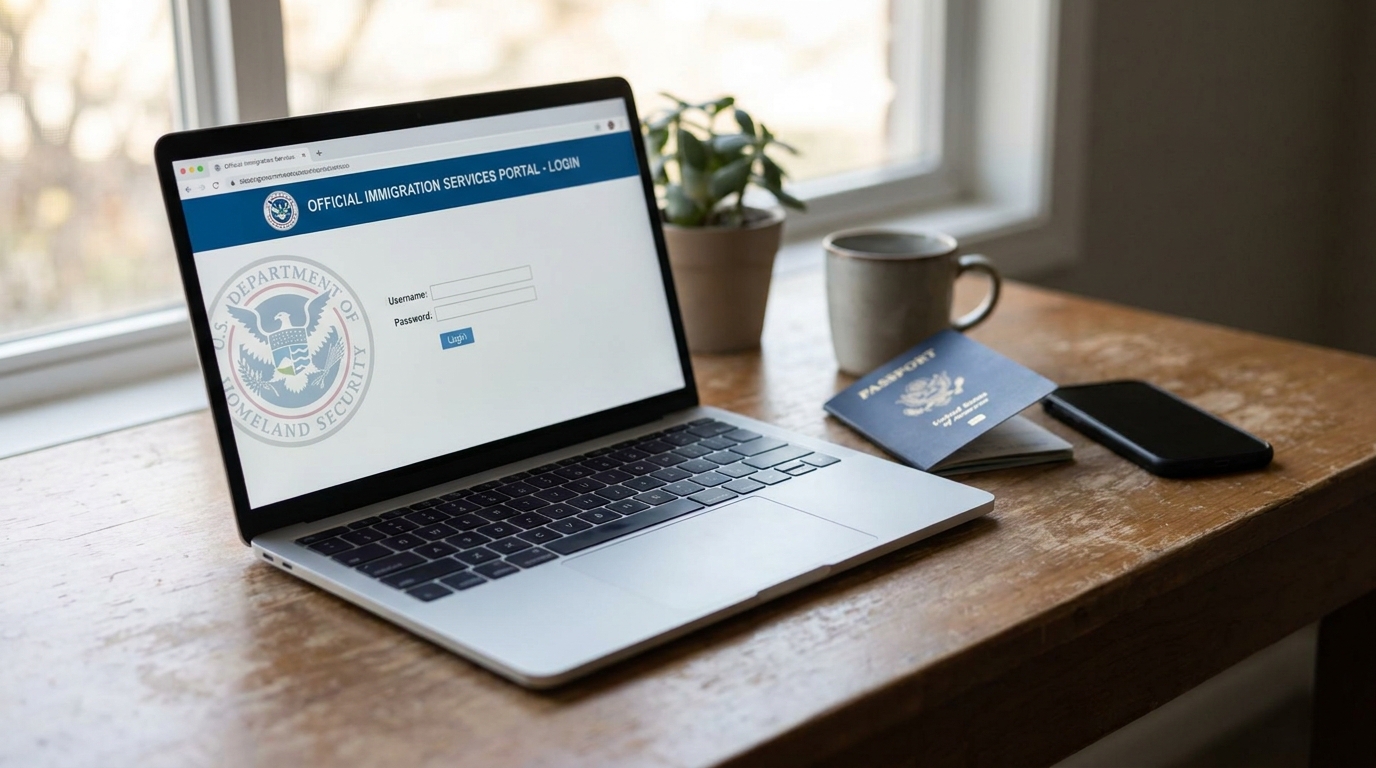
Singapore stopped issuing physical visa stickers years ago. What you get now is an electronic visa, a PDF that you print and carry with your passport. It’s tied to the passport number, not the document itself, so renewing your passport after issuance means going through the application again.
The application doesn’t happen on a public ICA page that anyone can log into directly. ICA’s SAVE system is restricted to local sponsors, registered visa agents, and Singapore-based contacts. In practice that means an applicant overseas has three real options: ask a Singapore-based friend or relative to submit on their behalf, ask a Singapore-based business contact to act as sponsor, or pay an authorised visa agent in their home country to handle it.
The required documents are consistent across nationalities: the biodata page of a passport with at least six months’ validity from the date of entry, a recent passport-style colour photograph that matches ICA’s specifications, a Form 14A submitted online, and an introduction letter from the local contact. Business applications add a Letter of Introduction on the sponsor’s letterhead, sometimes referenced as Form V39A.
Read more on how to apply for a Singapore visa online step by step.
What it costs
The government processing fee is SGD 30 per visa, regardless of single or multiple journey, and regardless of whether ICA grants 14, 30, 60, or up to two years. The fee is non-refundable. If ICA refuses the application, the money is gone, and the same applies if the applicant withdraws.
Agents add their own service charge on top. Through VFS Global or IVS Global, Indian applicants typically pay around INR 1,000 to INR 2,000 in agent fees in addition to the government fee. Other authorised visa agencies overseas charge similar amounts, sometimes more for express service. The cheaper route, if available, is asking a relative or business contact in Singapore to submit through SAVE directly, where the only fee is the SGD 30 government charge.
For the breakdown by nationality and agent route, see our Singapore visa fees and costs guide.
Country-specific routes
Indian passport holders
Indian citizens are the largest single group applying for Singapore visas, and the process is more involved than for most others. The visa itself is electronic and is issued at ICA’s discretion, typically as a multiple-entry visa valid up to two years, with 30 days per entry. The application has to run through an authorised agent or a Singapore-based contact rather than directly through ICA.
Government fee is SGD 30. Agent service charges run between INR 1,000 and INR 2,000 depending on which authorised handler is used. ICA’s stated processing standard is within three working days for clean applications, though agent-routed submissions often quote three to five working days once intake and transmission time is included. Longer waits apply if ICA flags anything for review. Indian travellers holding a valid US, UK, Canada, Australia, Germany, Switzerland, Japan or New Zealand visa or PR also qualify for the 96-hour Visa-Free Transit Facility, which can replace the e-Visa when the trip to Singapore is purely a stopover. Full eligibility is in our Singapore transit visa (VFTF) guide.
The Singapore visa for Indians complete guide covers documents, common refusal reasons, and what to do if your application is turned down.
Filipino passport holders
Filipinos don’t need a visa to visit Singapore. Philippine passport holders get a 30-day Short-Term Visit Pass on arrival, granted by the ICA officer at the checkpoint. The pass covers tourism, family visits, and short business meetings.
What Filipinos still need is a passport valid at least six months beyond the date of entry, an onward or return ticket, proof of where they’ll stay, and enough funds to cover the visit. The SGAC has to be submitted within three days of arrival. ICA has been firm about overstays since the No-Boarding Directives took effect on 30 January 2026, so even a one-day overstay can flag a future entry. The Singapore visa for Filipinos page has the full document checklist and the rules for working or studying beyond the 30-day cap.
Canadian passport holders
Canadian passports also enter Singapore without a visa. The standard pass is 30 days, granted by the ICA officer on arrival. Tourism and business visits are covered. The passport has to be valid at least six months beyond entry, and you’ll need the same supporting documents as any other visa-exempt visitor: an onward ticket, accommodation details, and proof of funds.
The SGAC requirement applies the same way it does for all nationalities. Canadian passport holders don’t need the 96-hour VFTF for transit through Changi, since the standard 30-day visa-free pass already covers any layover trip outside the airside zone. The VFTF is designed for visa-required nationalities, not Canadians. The Singapore visa for Canadians page covers what changes if you’re a Canadian PR travelling on a non-Canadian passport.
UK passport holders
British citizens sit at the top of Singapore’s visa-free range: up to 90 days per stay at the immigration officer’s discretion, though 30 days is also frequently granted, covering tourism, business, or short social visits. The 90-day cap covers a single stay, not a rolling year, so leaving and re-entering resets it at the officer’s discretion. British Overseas Citizens and British National (Overseas) passport holders are treated differently and may need to check the visa-required list before travel.
Passport validity is the standard six months beyond entry. SGAC submission is required within the three-day window. Anything longer than 90 days, including work, study, or long-term family stays, needs a separate ICA pass. Details on those pathways are in our broader content on long-term passes for Singapore. The Singapore visa for UK citizens page covers the edge cases for British nationals not holding a standard UK passport.
Need help filing a Singapore visa application from overseas? We act as your local sponsor and handle the SAVE submission, document checks, and ICA follow-up.
Multiple-journey visas
The Multiple Journey Visa (MJV) is the option for travellers who’ll be visiting Singapore more than once over a longer period. It’s issued at ICA’s discretion, usually after the applicant has already used a single-entry visa cleanly at least once, and runs in standard validities of 1, 2, or 5 years. Chinese passport holders are eligible for a 10-year MJV that was opened up in 2015.
The MJV doesn’t change the per-visit limit. Each entry still grants a Short-Term Visit Pass of 14 to 30 days, depending on what the ICA officer at the checkpoint decides. The advantage is purely administrative: one application, one fee, no need to lodge again every time a flight gets booked.
The government fee is still SGD 30, the same as a single-journey visa. ICA’s assessment criteria for granting multiple entry are not published, but a clean travel history, a stable purpose for repeat visits, and a credible local sponsor all help. Our Singapore multiple entry visa guide covers what we’ve seen work for repeat business travellers and family visitors.
Business visa applications

The Singapore business visa isn’t a separate visa type. It’s the same Short-Term Visit Pass granted to visa-exempt visitors and the same e-Visa for visa-required nationals, but the purpose declared is business, and the documentation reflects that.
For visa-required applicants, the key document is the Letter of Introduction (LOI), sometimes called Form V39A, signed by the Singapore-based sponsor on company letterhead. The LOI confirms the commercial purpose of the visit, the dates, and accepts responsibility for the applicant. Without it, business applications stall.
Permitted business activities are narrower than people sometimes assume. ICA allows meetings, conferences, training as a participant, study tours, and contract negotiations. What it doesn’t allow is paid work for a Singapore entity, services delivered against a contract, or anything that should run on a proper work pass. Crossing that line is a common cause of refused future entries. The Singapore business visa application page has the LOI template and the activity boundaries.
Transit visas and the 96-hour facility
Pure transit through Changi without leaving the airside zone doesn’t require any visa. You stay in the international transit area, take your onward flight, and immigration never gets involved.
The Visa Free Transit Facility (VFTF) is for travellers who want to leave Changi during a layover. It grants up to 96 hours in Singapore for transit purposes only, and it’s available to nationals of India, the Commonwealth of Independent States, Georgia, Turkmenistan, Ukraine, and selected Chinese passport holders. The third-country visa or long-term pass requirement, for Australia, Canada, Germany, Japan, New Zealand, Switzerland, the UK, or the US, with at least one month of validity from the date of entry into Singapore, applies only to Indian and selected PRC nationals. CIS, Georgian, Turkmen and Ukrainian travellers can use the VFTF without a third-country visa as long as they hold a confirmed onward ticket departing within 96 hours.
VFTF entry has to be by any mode of transport. Indian and selected PRC nationals may depart by air or sea; CIS, Georgian, Turkmen and Ukrainian travellers must depart by air. In either case the onward ticket has to be confirmed for a third country within 96 hours. ICA officers at the checkpoint make the final call. Extensions of VFTF stays are not allowed. The Singapore transit visa (VFTF) guide covers the documents and the common reasons applications get turned away.
The SG Arrival Card and the 2026 changes
Every traveller entering Singapore, with the narrow exception of citizens, PRs, and Long-Term Pass holders crossing land checkpoints, has to submit an SG Arrival Card (SGAC) within three days before arrival. It’s free and digital, filed through the SGAC e-Service or the MyICA Mobile app, and includes a health declaration.
The change that came into effect on 30 January 2026 is the No-Boarding Directive. ICA can now instruct airlines to deny boarding to travellers identified as undesirable, prohibited, or failing to meet basic entry requirements such as a valid visa or six months of passport validity. In practice that means submission errors on the SGAC, mismatched visa details, or a recent overstay can now stop you at check-in rather than at the Singapore border. Submission has to be done before boarding the flight, and any error has to be corrected through a fresh submission.
Biometric capture at Changi has also been the default since 2024. Iris and facial scans are taken on first entry and matched on subsequent visits, which is why repeat visitors now often clear the automated lanes without queueing for an officer at all.
Embassy and ICA channels
For routine applications, the contact point is the local sponsor or the authorised visa agent, not ICA directly. ICA’s public-facing channels are slow for individual queries and not built for application-stage help.
When a Singapore embassy is involved, which is the case for Assessment Level II nationalities and for queries that have to come from outside Singapore, the missions in New Delhi, Beijing, Jakarta, and other key capitals handle it. The full list of overseas missions is at mfa.gov.sg/Overseas-Mission. For status checks on a submitted application, ICA’s MyICA portal is the official tool, accessed by the local sponsor who filed the original application.
Not sure which Singapore visa applies to your situation? A quick conversation can clarify whether you need an e-Visa, qualify for visa-free entry, or fit the VFTF route.
When to start the application
For visa-required nationalities, the working assumption is two to three weeks before the planned date of travel. Clean applications through SAVE clear in three to five working days, but ICA can hold an application for a second look, in which case the wait extends. Booking flights before the visa is granted is a routine source of avoidable losses.
For visa-exempt travellers, the only pre-arrival task is the SGAC, and that has to be filed in the three-day window before the flight. Filing earlier than 72 hours out doesn’t work. Filing late, after check-in opens, risks the No-Boarding Directive coming into play.
For business travellers, the LOI from the Singapore sponsor is the longest-lead document, so the application should start with the sponsor confirming the commercial purpose and signing the letter before anything else moves.
Ready to start your Singapore visa application? We handle Letters of Introduction, SAVE submissions, and document checks for visitors from across the visa-required list.